
SPORTS SPINE INJURIES
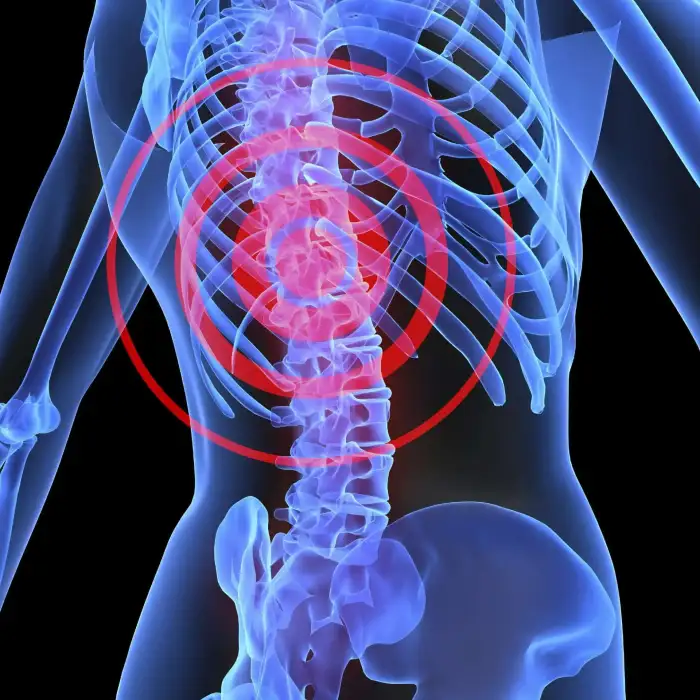
Spinal injuries that occur during sports activities can often be the result of sudden trauma, falls, bumps or poor technique. Such injuries can often affect various structures of the spine, including the discs, bones, ligaments or spinal cord. Here is an overview of sports spine injuries:
Common Sports Spine Injuries:
- Spine Fractures: Cracking or fracturing of the bones in a specific area.
- Disc Injuries: Damage to the discs between the vertebrae, cracks or hernias.
- Ligament Injuries: Tearing of the ligaments that hold the spinal joints together.
- Spinal Cord Injuries: Injury or cutting of the spinal cord tissue.
Risk Factors:
- High Contact Sports: High contact sports such as football, rugby, wrestling.
- Risk of Falls: Sports such as snowboarding, skiing and cycling can have a high risk of falls.
- Repeated movements: Repetitive movements in certain sports can cause stress on the spine.
Symptoms:
- Severe pain
- Movement limitation
- Muscle weakness
- Swelling or bruising in the spine area
Diagnostics and Imaging:
- The diagnosis can be made with imaging tests such as X-rays, CT scans or MRI.
Treatment:
- Conservative treatment: Rest, medications, physical therapy.
- Surgical intervention: In severe cases, spine surgery may be necessary.
Rehabilitation
- Physical therapy and rehabilitation supports the healing process of spinal injuries.
Prevention
- Learning the right techniques.
- Use of appropriate protective equipment.
- Maintaining and strengthening athletes’ fitness.
Long Term Impacts:
- The long-term effects of spinal injuries can vary depending on the treatment. In some cases, spinal injuries can lead to permanent problems.
Sports spine injuries can have serious consequences, so it is important to contact a health professional in case of suspicion of such an injury. Proper guidance and follow-up are important during the treatment and rehabilitation process.